


HapEnd: Dating, Love & Fun
4.22.90K Reviews
App Specs
- Version
- 1.3.6
- Updated On
- License
- Free
- Downloads
- 500,000+
- Developer
- Happy Zone Technology Company Limited
- Categories
- Social
- Platform
- Android
Screenshots



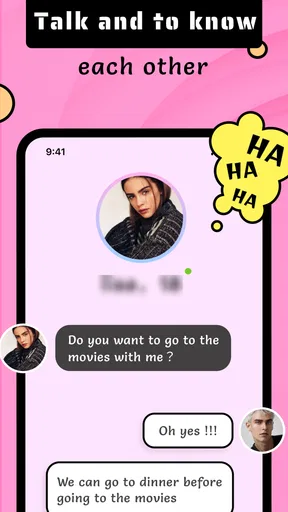
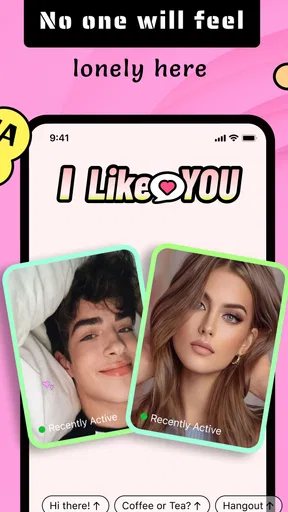



 Analysis by AppCompare
I approached HapEnd: Dating, Love & Fun as a social dating app rather than another endless profile catalogue. Its appeal depends heavily on connection: people, messages, profile discovery and the small decisions that turn a brief visit into an actual conversation. That makes the quality of the experience less about simply opening the app and more about how well it fits the moments when I have a phone, a little time and a reliable connection.
After spending time with it, I see a clear audience for HapEnd. It suits adults who want an open-minded dating environment and are comfortable meeting people through a mobile-first service. It is free to install, carries a Mature 17+ age rating, and is developed by Happy Zone Technology Company Limited. The app has reached over 500 thousand installs, with an average rating of 4.2 from around 21 thousand ratings, so it has enough public attention to feel like an active place rather than a completely empty experiment.
That said, I would not recommend it automatically to everyone looking for romance. The app is built around online interaction, so it is a weaker choice for someone who dislikes messaging, wants a highly structured matchmaking process or prefers to keep dating entirely separate from social discovery. Its current version is 1.3.6, and the practical experience can also depend on how consistently other people are available when I happen to be online.
How HapEnd feels when the network is part of the experience
The most important thing to understand is that HapEnd is not just a dating app that happens to run on a phone. Its usefulness rises and falls with the network around it. A profile can catch my attention, but the real value appears only when browsing leads to a mutual exchange. A delayed conversation, a weak connection or a quiet period in the user base can make the same interface feel much less engaging.
This creates a different rhythm from traditional offline introductions. I can check the app during a spare moment, look through people who fit my interests and decide whether I want to begin a conversation without making a large commitment. That low-pressure entry is one of its strengths. At the same time, the convenience can encourage shallow decisions if I treat every profile like a quick swipe rather than a person worth reading carefully.
I found the best approach was to use each visit with a modest goal. Instead of opening HapEnd expecting an immediate relationship, I treated a session as an opportunity to discover one or two interesting people, improve my own profile presentation or continue a conversation that had already started. This matters because connectivity creates an illusion of unlimited choice. A more deliberate routine makes the app feel less tiring and gives conversations a better chance to develop.
When a short online window works well
HapEnd fits naturally into small gaps in the day. A commute, a coffee break or a quiet evening can be enough time to read a profile properly and send a message that refers to something specific. I prefer this to rushing through a large batch of profiles. A thoughtful opening is more useful than a high number of low-effort reactions, especially in a social app where the next step depends on another person responding.
Worth Reading Before You Choose

EA SPORTS FC Mobile 26 Is a Bigger Football Game, but It Takes Time

Flipboard Shows What News Apps Must Do Beyond the Feed

Switching to Android Auto Means Rethinking Your Driving Routine

Google Calendar Makes a Crowded Week Easier to Manage

Ludo King Makes the Most of the Minutes Between Plans

Baby Panda World Brings Quick Play to Modern Phones, but Its Game Library Feels Busy
There is also a practical advantage to separating discovery from conversation. When I am busy, I can look for people who seem compatible and return later when I have the attention to write. That workflow prevents the common mistake of starting several chats at once and then forgetting what made each person interesting. It also makes the app feel more manageable on a smaller phone screen.
My advice is to avoid using HapEnd while distracted in situations where privacy or attention matters. Dating profiles can contain personal details, and a public place is not always the right setting for reading or composing sensitive messages. Connectivity makes the app easy to reach, but easy access should not mean careless access.
Mobile habits that improve the experience
The mobile format encourages quick decisions, so I made a point of slowing down before sending a first message. I would read the entire profile, notice whether the person had given a clear conversation opening and then write something connected to that detail. This is a small change, but it makes the service feel more human and reduces the sense that every interaction is interchangeable.
Another useful habit is to keep my own profile consistent with what I actually want. If I am looking for conversation, I should make that clear. If I want to explore dating more seriously, vague wording can attract people with completely different expectations. HapEnd can provide the meeting point, but it cannot remove the need for honest communication about pace, boundaries and intentions.
I also recommend deciding in advance how much time to spend browsing. The social design can make one more profile feel harmless, yet repeated checking can become tiring without producing better matches. A short, focused visit is often more productive than leaving the app open and reacting automatically to every new possibility.
What happens when conversations stall or connectivity fails
Any network-dependent dating experience has moments that feel outside my control. A message may not receive an immediate reply, a conversation can fade after a promising start, or the app may be less useful during a period when fewer people are active. I do not see these moments as proof that HapEnd is failing, but they are important when setting expectations.
The app works best when I accept that availability is uneven. Someone may be interested but busy. Someone else may prefer a slower pace. A quiet response does not always require repeated messages, and sending several follow-ups can make a normal delay feel uncomfortable. My preferred recovery method is simple: wait, keep the tone respectful and move on to another activity instead of treating the app as a live customer-service channel.
When a connection problem interrupts a session, I would avoid making rapid decisions based on incomplete information. If a profile or conversation does not load properly, closing and reopening the app later is more sensible than repeatedly tapping or sending duplicate messages. This is a basic mobile habit, but it prevents confusion when the network catches up after a delay.
There is a broader lesson here: HapEnd rewards patience more than constant checking. The app’s social value is created by several people being available at compatible times, not by my own activity alone. That makes it less predictable than a tool with a fixed result, but it also gives successful conversations a more natural feeling.
Handling a quiet inbox without forcing the issue
A quiet inbox can come from many causes, including profile presentation, timing, limited activity from other users or simple incompatibility. I would first review my own profile rather than immediately assuming the platform has no value. Clear photos, a readable description and a specific indication of what I enjoy discussing give another person more to respond to than a generic line.
If a conversation stops, I would not try to rescue it with pressure. One polite follow-up can be reasonable, but the better recovery is usually to return to discovery and look for people whose communication style matches mine. This is one of the trade-offs of an open social dating environment: it offers room for different personalities, but it does not guarantee that every exchange will be equally active.
For safety, I would keep early conversations inside the app until trust has developed and avoid sharing sensitive personal information too quickly. I would also arrange any eventual meeting carefully, in a public setting and with someone I trust aware of the plan. These are not decorative precautions; they are essential whenever online connection may lead to an offline meeting.
Using HapEnd thoughtfully on mobile data
Because HapEnd is designed around connected social activity, I would use it with the same awareness I bring to any app that refreshes people, conversations or profile content. On a limited mobile plan, it makes sense to browse more selectively instead of repeatedly reopening the app throughout the day. I would also avoid assuming that every visit needs to become a long session.
There is a difference between being data-conscious and being socially unavailable. I would rather check the app at a few intentional times than keep it open constantly. This gives me space to reply properly and reduces the temptation to judge the experience by how much new content appears every few minutes. In my view, that balance makes HapEnd calmer and more useful.
The free entry point is helpful for trying the basic experience without paying first. However, in-app purchases range from under a dollar to nearly five hundred dollars per item, which is a very wide span. I would treat optional spending carefully and decide what I am actually trying to improve before buying anything. A purchase cannot create genuine compatibility or guarantee that another person will reply, so I would never spend simply because a quiet session feels disappointing.
My practical rule is to use the free experience long enough to understand whether the community and communication style suit me. Only then would I consider an optional purchase, and even then I would set a firm personal limit. This is especially important for a dating app, where emotion and impatience can make a paid shortcut seem more valuable than it really is.
Who benefits most from this kind of connection
HapEnd is a good fit for adults who want to meet people through a flexible social channel and are willing to put effort into conversation. It may be particularly useful for someone whose schedule makes traditional dating difficult, or for a person who wants to explore connections beyond a narrow local routine. The open-minded positioning gives the experience a broader tone than a service designed only around one rigid dating script.
I can also see value for someone returning to dating after a long break. The app allows gradual participation: reading profiles first, exchanging a few messages next and deciding later whether a connection deserves more attention. That progression is less intimidating than committing immediately to a formal date, although it still requires clear boundaries and realistic expectations.
It is less suitable for people who want detailed compatibility tests to make most decisions for them. HapEnd places more responsibility on the user to notice communication style, ask sensible questions and judge whether the interaction feels respectful. Someone seeking a highly managed matchmaking service may prefer a platform built around longer questionnaires and more structured recommendations.
I would also suggest skipping it if the Mature 17+ environment does not match your comfort level, or if you are not prepared to handle the adult nature of dating conversations responsibly. The age rating is not a minor detail; it signals that this is intended for a mature audience and should be approached with appropriate judgment.
How it compares with familiar dating alternatives
Compared with a general social network, HapEnd gives dating a clearer purpose. On a broad platform, romantic intent can be ambiguous and conversations may be mixed with unrelated posts, friends and public activity. HapEnd is more focused on meeting people in a dating context, which can make the first step easier because the reason for connecting is more apparent.
Compared with a highly structured matchmaking service, it feels more open-ended. That flexibility can be refreshing when I do not want an algorithm or lengthy questionnaire to define what I am looking for. The trade-off is that I must do more of the evaluation myself. I need to read carefully, communicate directly and recognize when a promising profile does not translate into a comfortable conversation.
Compared with meeting people entirely through offline communities, HapEnd offers greater reach and more control over the initial pace. I can decide when to browse and when to reply. Offline encounters can provide richer immediate context, though, so I would not treat the app as a replacement for real-world judgment. Online chemistry is only an early signal, not proof that a relationship will work.
The strongest reason to choose HapEnd is therefore not that it eliminates uncertainty. It gives uncertainty a convenient place to begin. For me, that is worthwhile when I use it as a tool for starting respectful conversations rather than as a machine that promises a result.
My connectivity verdict
HapEnd: Dating, Love & Fun is a free social dating app with a clear mobile advantage: it lets me explore connections in small, manageable moments and decide how quickly a conversation develops. Its community has enough reach to make the experience worth trying, and the 4.2 average from around 21 thousand ratings suggests that many users find value in its approach.
My final opinion is positive but measured. The app is strongest when I have a stable connection, a realistic goal and the patience to let conversations unfold. It is weaker when I expect instant replies, guaranteed compatibility or a completely guided matchmaking process. Network quality, user availability and my own communication habits all shape the result.
I would recommend giving HapEnd a careful trial if you are an adult looking for an open-minded dating space and are comfortable taking responsibility for your own choices. Start slowly, protect personal information, avoid impulsive spending and judge the app by the quality of conversations rather than the number of profiles you can view. The best way to use HapEnd is as a doorway to real communication, not as a substitute for judgment, patience or personal safety.
Pros
- Simple interface makes browsing profiles quick and easy.
- Offers playful features beyond standard dating conversations.
- Useful for meeting people with varied relationship interests.
- Profile discovery can feel more relaxed than traditional dating apps.
- Available social tools may encourage interaction and conversation.
Cons
- The user base may be smaller depending on your location.
- Some features may require in-app purchases or a subscription.
- Profile quality and authenticity can vary between users.
- Matching results may feel limited without completing your profile.
- Privacy settings should be reviewed carefully before sharing personal details.
FAQs for HapEnd: Dating, Love & Fun
What is HapEnd: Dating, Love & Fun, and how does it work?
HapEnd: Dating, Love & Fun is a dating and social discovery app designed to help people meet others, start conversations, and explore potential romantic connections. After creating a profile, you can typically add photos and personal details, browse or discover suggested users, and interact through likes, matches, or messages. The experience depends heavily on the quality of the community available in your location.
Is HapEnd: Dating, Love & Fun free to download and use?
The app may be available to download for free, but some features can require in-app purchases, subscriptions, or virtual credits. Basic account creation and profile browsing may be accessible without payment, while advanced discovery tools, increased visibility, unlimited interactions, or messaging options could be restricted. Before subscribing, review the pricing, renewal terms, and cancellation instructions shown in the app store.
Is HapEnd: Dating, Love & Fun safe for meeting new people?
As with any online dating platform, safety depends on both the app’s moderation tools and your own decisions. Avoid sharing sensitive information, sending money, or clicking suspicious links. Keep early conversations inside the app, use video calls when appropriate, and arrange first meetings in busy public places. Report or block profiles that behave aggressively, deceptively, or disrespectfully.
What information is needed to create a profile on HapEnd?
Registration generally requires basic information such as an email address, phone number, or account from a supported sign-in provider, depending on the version available in your region. You may also be asked to provide a name, age, location, photos, and dating preferences. Check the permissions and privacy policy carefully, especially if the app requests access to contacts, location, camera, or notifications.
Can I delete my HapEnd account and manage notifications or subscriptions?
You should be able to manage your profile, notification preferences, and account settings from within the app, although the exact menu names may vary by device and app version. Deleting the app does not necessarily cancel a paid subscription, so subscriptions must usually be canceled through Google Play or the Apple App Store. Look for account deletion options and confirm whether your data is removed or only deactivated.


